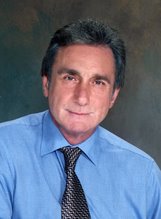
In 1982, 21-year-old Debra Sue Carter was brutally murdered in the small town of Ada, Okla.
In 1988, former Lee’s Summit resident Dennis Fritz and his acquaintance Ron Williamson were charged and convicted of the murder. Fritz was sentenced to life in prison and Williamson received the death penalty.
On April 15, 1999, Fritz and Williamson were exonerated by DNA evidence.
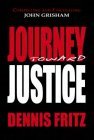
In 2006 John Grisham released his first non-fiction book based on the events of the case, “The Innocent Man: Murder and Injustice in a Small Town.” And shortly after, on Oct. 6, 2006, Dennis Fritz released his own memoir about the case, “Journey Toward Justice.” On Saturday, Sept. 12, Fritz will host a book signing from 2 to 6 p.m. at Maxwell’s, 301 S.E. Douglas in downtown Lee’s Summit.
Revisiting the past
Although Fritz had already written a little about his trial, his appeals and his conviction while in prison, once he was released he wasn’t eager to revisit that portion of his life.
“Anyone who has spent several years in a penitentiary — a hard and violent place —will walk out with post traumatic stress,” Fritz told the Journal last Friday.
And he just wanted to get on with his life.
But after five years had passed, and he had adjusted to life after prison, he began to work with Grisham on “The Innocent Man.”
“I told myself, if John (Grisham) can write about my case, then so can I,” Fritz said.
But writing his own story proved to be more difficult than he had anticipated.
“It was tremendously difficult,” he said. “When I started writing my book I began to be revisited by my thoughts and fears from the trial.”
Fritz said he became almost paranoid again.
“Whenever I saw a cop car or heard sirens drive by my house I was afraid they would pull in,” he said. And Fritz had every reason to be afraid. The arresting officers and the former district attorney who prosecuted him were still telling media outlets they believed Fritz and Williamson were still guilty.
“There’s no statute of limitations on murder,” Fritz said. “I was fearful I was going to go back.”
In 2003, DNA evidence convicted another Ada resident, Glen Gore, for Carter’s murder. But after his death sentence was overturned in 2005, he was sentenced to life without parole in 2006.
The Never-ending Case
Although Gore had been convicted and both Grisham’s and Fritz’s books had been written and become widely popular, Fritz wasn’t done with his journey through the courts system. Only this time it was in civil court.
In 2007, former Pontotoc County District Attorney, William Peterson, and former Oklahoma State Bureau of Investigation employees, Gary Rogers and Melvin Hett, sued Fritz, Grisham and their publishers for libel.
“They made a mistake and even now, they don’t want to admit it,” Fritz said about the investigators.
In September 2008, a judge dismissed the lawsuit, calling the petition’s claims “not plausible,” but Fritz said the decision was appealed.
“From the time of her death in 1982 until now, 27 years have passed by and this is still going on,” Fritz said.
Working for the innocent
Although Fritz spent more than 11 years in prison for a crime he did not commit and is still entangled in a civil lawsuit regarding the same case, Fritz isn’t too bothered by his past these days.
“Especially after spending 12 years in a hard and violent penitentiary, nothing bothers me too much.” Fritz said. “Things are meant to happen for a reason and I was sacrificed to bring about reform.”
In fact, Fritz said his case is one of the leading cases used to expose corruptness in the legal system.
“I want to focus on bringing awareness, and I use my book for that,” he said.
Now Fritz serves as a board member for the Innocence Project, the same organization he contacted while in prison.
With the help of the organization, DNA samples found at the crime scene were re-tested and none of it was found to match DNA from either Williamson or Fritz.
Now Fritz helps the same organization that helped him. He frequently makes appearances to talk about his case and works to raise money for the organization so more innocent prisoners can be exonerated.
Source Miranda Wycoff, Journal Staff
Link
Showing posts with label dna evidence. Show all posts
Showing posts with label dna evidence. Show all posts
Sunday, October 25, 2009


Tuesday, August 18, 2009
Fabricated DNA
(CBS) Scientists in Israel have successfully fabricated blood and saliva samples containing DNA, potentially undercutting what has been considered key evidence in the conviction or exoneration in crime cases, the New York Times reported.
According to the newspaper, the scientists also demonstrated that if they had access to a DNA profile in a database, they could construct a sample of DNA to match that profile without obtaining any tissue from that person.
"Any biology undergraduate could perform this,” said Dr. Dan Frumkin, lead author of the paper, which is published online in the journal Genetics.
The paper asserts that while DNA analysis has become a centerpiece of law enforcement, the possibility that such evidence can be faked has not been considered.
"This is potentially huge news in the world of criminal justice, which hasn’t yet even fully had the time to embrace DNA for all of its uses," said CBS News legal analyst Andrew Cohen. "And I suspect it won’t be long before defense attorneys are using this study to undercut DNA analysis and conclusions in cases all over the country."
"This is potentially terrible news for prosecutors and police and the military and all sorts of industries that use DNA testing to confirm or find information," Cohen adds. "As the paper’s author says, 'You can now just engineer a crime scene.' Good news for crime dramas on television but not so much to the criminal justice system."
"It’ll be interesting to see how the legal world reacts to it and whether this study will be embraced or scorned by DNA experts here in the States," Cohen said. "But you can be sure that before too long DNA evidence in criminal cases all over will be challenged based upon these findings."
Source
CBS
Please post your comments here
According to the newspaper, the scientists also demonstrated that if they had access to a DNA profile in a database, they could construct a sample of DNA to match that profile without obtaining any tissue from that person.
"Any biology undergraduate could perform this,” said Dr. Dan Frumkin, lead author of the paper, which is published online in the journal Genetics.
The paper asserts that while DNA analysis has become a centerpiece of law enforcement, the possibility that such evidence can be faked has not been considered.
"This is potentially huge news in the world of criminal justice, which hasn’t yet even fully had the time to embrace DNA for all of its uses," said CBS News legal analyst Andrew Cohen. "And I suspect it won’t be long before defense attorneys are using this study to undercut DNA analysis and conclusions in cases all over the country."
"This is potentially terrible news for prosecutors and police and the military and all sorts of industries that use DNA testing to confirm or find information," Cohen adds. "As the paper’s author says, 'You can now just engineer a crime scene.' Good news for crime dramas on television but not so much to the criminal justice system."
"It’ll be interesting to see how the legal world reacts to it and whether this study will be embraced or scorned by DNA experts here in the States," Cohen said. "But you can be sure that before too long DNA evidence in criminal cases all over will be challenged based upon these findings."
Source
CBS
Please post your comments here
Sunday, March 15, 2009
John Grishams' Innocent Man Speaks at Missouri University

Exonerated Former Prisoners Speak at Missouri University
Staff Photographer
Staff Photographer
Dennis Fritz signs a copy of his book 'Journey Toward Justice' for Deanna Harper on Wednesday. The book recounts Fritz's experience after he was arrested and convicted for a murder he did not commit.
After being released from prison 16 days earlier, Joshua Kezer spoke at MU about what it was like to be wrongly incarcerated for the same number of years.
Kezer and Dennis Fritz, who served 12 years in prison after being wrongly convicted of murder, described their experiences to students at a lecture in the Arts and Sciences Building Wednesday night.
Both were convicted of murder and subsequently freed after DNA evidence cleared them of all charges. Kezer and Fritz maintained their innocence throughout their prison sentences. Fritz said he had never even met the person he was accused of murdering.
"The implication of me being remotely involved in something I didn't even know about, let alone a murder charge, was something that -- it disturbed me greatly," Fritz said.
Fritz's case was recounted by novelist John Grisham in the non-fiction book "The Innocent Man."
Fritz's case was recounted by novelist John Grisham in the non-fiction book "The Innocent Man."
The combined 28 years the two men served in prison have given them resolve to raise awareness about other innocent people who may still be behind bars.
"The reality is that there are men in prison right now that have stories to tell, that have claims of innocence, many of which I know personally," Kezer said.
A bill has been proposed in the Missouri Legislature this year that could help exonerate some of these innocent people. The bill would place a moratorium on all executions in the state for two to three years. This time could then be used to re-examine inmates' cases for inconsistencies or new evidence that could lead to an acquittal.
Jeff Stack, coordinator for Mid-Missouri Fellowship for Reconciliation, said while the bill was far from abolishment of the death penalty, any opportunity to reexamine past cases was valuable.
"I was fortunate to not be on death row, but I could've ended up there," Kezer said. "The purpose of this is to remember that if there's innocent people who've spent years in prison standing before you now, talking about how their cases were overturned, then there are innocent people on death row."
"I was fortunate to not be on death row, but I could've ended up there," Kezer said. "The purpose of this is to remember that if there's innocent people who've spent years in prison standing before you now, talking about how their cases were overturned, then there are innocent people on death row."
According to the Death Penalty Information Center, since 1973, the total number of death row inmates in the U.S. exonerated through the use of new testimony or evidence has risen to 130. There have been three in Missouri.
Leslie Ferguson, mother of Ryan Ferguson, a convicted murderer who maintains that he is innocent, said the moratorium law means a lot to someone in her situation.
"When you experience it first hand there is no way that you can condone the death penalty," Ferguson said. "I mean it has been proven that innocent people have been executed and it's found out after their execution they were innocent, and that should never happen. It's a scary thing. If Ryan, or Dennis, or Josh can get convicted of a crime it can happen to anybody, it can happen to you."
"When you experience it first hand there is no way that you can condone the death penalty," Ferguson said. "I mean it has been proven that innocent people have been executed and it's found out after their execution they were innocent, and that should never happen. It's a scary thing. If Ryan, or Dennis, or Josh can get convicted of a crime it can happen to anybody, it can happen to you."
In the Missouri Legislature, the Senate version of the moratorium bill cleared the Senate Progress and Development Committee on Wednesday while the House version has been referred to the Public Safety Committee, and no hearing has been set.
Kezer said he hopes the legislation passes, so that other innocent people wrongfully incarcerated could also get a second chance.
"Let's pray that something is done, to give people the opportunity to tell their story before they're dead and they just become some kind of history, some remembered name, some memorial," Kezer said. "I'd rather see them out here living a productive life, teaching us, learning from them, than just wasting away with nothing to look forward but liquids running through their veins."
* * Correction:
In the March 5 report "Exonerated former prisoners speak at MU", the reason for Joshua Keser's exoneration was inaccurate. Keser was exonerated because of the discovery of new evidence for the case. The Maneater regrets the error.
(Added 3:55 p.m., March 12, 2009)
Source By Will Guldin
Published March 5, 2009
link
Tuesday, March 3, 2009
Supreme Court Hears DNA Case - Innocence Project Co-Director Peter Neufeld argued before the U.S. Supreme Court
Supreme Court Hears DNA Case
On March 2, Innocence Project Co-Director Peter Neufeld argued before the U.S. Supreme Court that the constitution allows prisoners access to DNA testing that can prove their innocence. The Innocence Project represents William Osborne, who has been seeking DNA testing in Alaska for years. Click here for resources on the case, media coverage, videos and more.
From The Innocence Project website
On March 2, Innocence Project Co-Director Peter Neufeld argued before the U.S. Supreme Court that the constitution allows prisoners access to DNA testing that can prove their innocence. The Innocence Project represents William Osborne, who has been seeking DNA testing in Alaska for years. Click here for resources on the case, media coverage, videos and more.
From The Innocence Project website
Innocence Project client William Osborne was convicted in Alaska in 1993 for a crime that DNA testing could prove he didn't commit. Alaska has arbitrarily refused Osborne’s requests for DNA testing for years – even though the testing would be performed at no cost to the state, and the state now concedes that DNA testing could prove his innocence.
High Court Considers Convicts' Rights to DNA Testing
This is great new:
An eye witness and a jailhouse snitch said he did it. But a man convicted 16 years ago of rape says he's in prison for a crime he didn't commit.
William Osborne says a DNA test would prove he's innocent. But the question is whether the DNA trumps all other evidence.
The U.S. Supreme Court heard oral arguments Monday on the case that could guarantee due process of law to convicts seeking evidence that could exonerate them.
When convicted of the brutal rape and kidnapping of a prostitute in 1993, Osborne said he didn't do it.
"It's extremely hard for me to sit here and hear all the accusations, charges that basically make me look like a monster," Osborne said at his sentencing hearing.
Osborne reportedly confessed to the rape during a parole hearing, but now says a condom found at the crime scene will prove his innocence.
"If there is biological material connected to the crime, which the State of Alaska has conceded, which if tested could prove him innocent -- it might also prove him certainly guilty. But it would show one way or another," said David Rudovsky, a University of Pennsylvania law professor who has represented several inmates freed after post-conviction DNA tests.
Prosecutors claim convicts aren't entitled to post-conviction DNA testing. But last year an appeals court ruled in Osborne's favor.
Nationwide, DNA tests have exonerated 232 convicts, including Dennis Fritz, who spent 12 years in prison.
"When someone's denied DNA testing, and finally after years and years they are granted testing and it proves that they are in fact innocent, that means that for all of those years there is someone else out there that was actually the perpetrator," Fritz said.
Osborne's attorney decided against examining the semen sample prior to his first trial, fearing it could conclusively link him to the crime.
Alaska is one of only six states that do not allow prisoners to petition for DNA testing. Attorneys for Alaska say prisoners don't have the right to old evidence.
"Now he's trying to play procedural games to get out of prison," said Paul Cassell, a University of Utah law professor and former federal judge who spoke on behalf of victims' rights. "Osborne should be required to go through the normal process to get access to this kind of information -- he should have to file a habeas corpus petition. That way he would be respecting crime victims' rights."
The Innocence Project -- an organization that aims to help prisoners who could be proven innocent through DNA testing -- is arguing the case on behalf of Osborne.
"Alaska has set up this mechanism that gives people the opportunity to prove their actual innocence, and yet it won't give them the one test, which is probably the only test, that would meet that quantum of evidence needed to prove your actual innocence," said Peter Neufeld, co-director of the Innocence Project.
States that don't allow the testing fear a ruling against them will open the floodgates to prisoners making the request, with the states picking up the tab.
But the Innocence Project says that's not the case.
"It's not a key to open the door of the courthouse," said Bill Oberly, director of the Alaska Innocence Project. "There are very few people who have actual innocence claims."
The case before the Supreme Court could strengthen the rights of prisoners across the nation who may be innocent but still wait. The court expressed some skepticism about giving a broad constitutional right to convicts facing DNA testing.
But Justice David Souter says a person should be able to test claims of innocence.
Contact Ashton Goodell at agoodell@ktuu.com
Please visit site below to watch news videos of this story
Source KTUU.com Alaska's news and information source High court considers convicts' rights to DNA testing
An eye witness and a jailhouse snitch said he did it. But a man convicted 16 years ago of rape says he's in prison for a crime he didn't commit.
William Osborne says a DNA test would prove he's innocent. But the question is whether the DNA trumps all other evidence.
The U.S. Supreme Court heard oral arguments Monday on the case that could guarantee due process of law to convicts seeking evidence that could exonerate them.
When convicted of the brutal rape and kidnapping of a prostitute in 1993, Osborne said he didn't do it.
"It's extremely hard for me to sit here and hear all the accusations, charges that basically make me look like a monster," Osborne said at his sentencing hearing.
Osborne reportedly confessed to the rape during a parole hearing, but now says a condom found at the crime scene will prove his innocence.
"If there is biological material connected to the crime, which the State of Alaska has conceded, which if tested could prove him innocent -- it might also prove him certainly guilty. But it would show one way or another," said David Rudovsky, a University of Pennsylvania law professor who has represented several inmates freed after post-conviction DNA tests.
Prosecutors claim convicts aren't entitled to post-conviction DNA testing. But last year an appeals court ruled in Osborne's favor.
Nationwide, DNA tests have exonerated 232 convicts, including Dennis Fritz, who spent 12 years in prison.
"When someone's denied DNA testing, and finally after years and years they are granted testing and it proves that they are in fact innocent, that means that for all of those years there is someone else out there that was actually the perpetrator," Fritz said.
Osborne's attorney decided against examining the semen sample prior to his first trial, fearing it could conclusively link him to the crime.
Alaska is one of only six states that do not allow prisoners to petition for DNA testing. Attorneys for Alaska say prisoners don't have the right to old evidence.
"Now he's trying to play procedural games to get out of prison," said Paul Cassell, a University of Utah law professor and former federal judge who spoke on behalf of victims' rights. "Osborne should be required to go through the normal process to get access to this kind of information -- he should have to file a habeas corpus petition. That way he would be respecting crime victims' rights."
The Innocence Project -- an organization that aims to help prisoners who could be proven innocent through DNA testing -- is arguing the case on behalf of Osborne.
"Alaska has set up this mechanism that gives people the opportunity to prove their actual innocence, and yet it won't give them the one test, which is probably the only test, that would meet that quantum of evidence needed to prove your actual innocence," said Peter Neufeld, co-director of the Innocence Project.
States that don't allow the testing fear a ruling against them will open the floodgates to prisoners making the request, with the states picking up the tab.
But the Innocence Project says that's not the case.
"It's not a key to open the door of the courthouse," said Bill Oberly, director of the Alaska Innocence Project. "There are very few people who have actual innocence claims."
The case before the Supreme Court could strengthen the rights of prisoners across the nation who may be innocent but still wait. The court expressed some skepticism about giving a broad constitutional right to convicts facing DNA testing.
But Justice David Souter says a person should be able to test claims of innocence.
Contact Ashton Goodell at agoodell@ktuu.com
Please visit site below to watch news videos of this story
Source KTUU.com Alaska's news and information source High court considers convicts' rights to DNA testing
Thursday, August 7, 2008
DNA Evidence Not Saved in 25 States
The ability to clear wrongly-convicted individuals is made more difficult because 25 states are not required to keep DNA evidence according to an August 5, 2008 story in USA Today.
The possibility of solving crimes committed years ago is hampered by lack of DNA samples as well. The biggest problems surrounding this issue are the guidelines and length of time for saving DNA material and the requirements and cost for storage.
What states are doing:
• South Carolina Gov. Mark Sanford vetoed a proposal last month that, in part, would have mandated preservation of biological evidence. He says he supports giving the "wrongly accused a chance to clear their names" but could not endorse a provision requiring all suspects charged with felonies — but not yet convicted — to provide genetic profiles.
• A similar proposal in New York, one of the largest states that do not require DNA preservation, died in the State Assembly in June.
• Colorado prosecutors and defense lawyers are grappling to implement a broad law that requires law enforcement agencies to keep DNA evidence in murder, sexual assault and other serious cases for the lifetime of convicted defendants. It also calls for keeping DNA evidence in less serious crimes.
• Arizona lawmakers approved legislation, which takes effect Dec. 31, to maintain biological evidence in murder and sexual assault cases for as long as the offender remains in prison.
Larry Pozner, former head of the National Association of Criminal Defense Lawyers, says states have shown a "shocking" disinterest in keeping DNA: "Innocent inmates are going to die in prison."Evidence preservation has been the key to freeing more than 200 wrongfully convicted prisoners, says the Innocence Project, a group that works to free the innocent based on DNA testing.
The possibility of solving crimes committed years ago is hampered by lack of DNA samples as well. The biggest problems surrounding this issue are the guidelines and length of time for saving DNA material and the requirements and cost for storage.
What states are doing:
• South Carolina Gov. Mark Sanford vetoed a proposal last month that, in part, would have mandated preservation of biological evidence. He says he supports giving the "wrongly accused a chance to clear their names" but could not endorse a provision requiring all suspects charged with felonies — but not yet convicted — to provide genetic profiles.
• A similar proposal in New York, one of the largest states that do not require DNA preservation, died in the State Assembly in June.
• Colorado prosecutors and defense lawyers are grappling to implement a broad law that requires law enforcement agencies to keep DNA evidence in murder, sexual assault and other serious cases for the lifetime of convicted defendants. It also calls for keeping DNA evidence in less serious crimes.
• Arizona lawmakers approved legislation, which takes effect Dec. 31, to maintain biological evidence in murder and sexual assault cases for as long as the offender remains in prison.
Larry Pozner, former head of the National Association of Criminal Defense Lawyers, says states have shown a "shocking" disinterest in keeping DNA: "Innocent inmates are going to die in prison."Evidence preservation has been the key to freeing more than 200 wrongfully convicted prisoners, says the Innocence Project, a group that works to free the innocent based on DNA testing.
Tuesday, July 29, 2008
Dennis Fritz Speaks to TCC Biotechnology and Area Students

Dennis Fritz speaks to TCC, high school students -
Area high school students and TCC Biotechnology students didn’t blink while a man who spent 11 years in prison described what it was like to be behind bars, and innocent. Their eyes were cemented to the speaker, not even looking away when someone opened a door allowing sunlight to spill into the black theatre.
As Dennis Fritz spoke, empathy enveloped him. Teenagers, sometimes revered as the toughest audience to engage, didn’t breathe as he told a
story that seemed to come straight from Hollywood.
Area high school students and TCC Biotechnology students didn’t blink while a man who spent 11 years in prison described what it was like to be behind bars, and innocent. Their eyes were cemented to the speaker, not even looking away when someone opened a door allowing sunlight to spill into the black theatre.
As Dennis Fritz spoke, empathy enveloped him. Teenagers, sometimes revered as the toughest audience to engage, didn’t breathe as he told a
story that seemed to come straight from Hollywood.
A single father of a 3-year-old girl, wrongfully arrested,sentenced to life in prison, and now using his experience to save others.
Fritz visited TCC in March to speak at the Biotechnology Learning Extravaganza held in the VanTrease Performing Arts Center for Education (PACE). The second annual event, made possible by a SEEDBEd grant from the National Science Foundation, gave students a first-hand look at why biotechnology is important.
Dr. Diana Spencer, coordinator of the biotechnology program, invited both Fritz and Forensic Supervisor Cassie Johnson to speak at this year’s event.“We wanted to expose students to the real-life events connected to biotechnology,” she said. Fritz was convicted of first-degree murder in 1988, along with co defendant Ron Williamson (Williamson died in 2004). Fritz received a life sentence while Williamson received the death penalty. At one point, Williamson was literally days away from being put to death. The two spent 11 years in prison until they were exonerated on April 15, 1999 at the Pontotoc County Courthouse. Fritz and Williamson were convicted based on unreliable evidence and false confessions. They got their freedom back thanks to The Innocence Project: a non-profit legal clinic affiliated with the Benjamin N. Cardozo School of Law at Yeshiva University and created by Barry C. Scheck and Peter J. Neufeld in 1992.
According to www.innocenceproject.org, the project is “a national litigation and public policy organization dedicated to exonerating wrongfully convicted people through DNA testing and reforming the criminal justice system to prevent future injustice.”
Dr. Diana Spencer, coordinator of the biotechnology program, invited both Fritz and Forensic Supervisor Cassie Johnson to speak at this year’s event.“We wanted to expose students to the real-life events connected to biotechnology,” she said. Fritz was convicted of first-degree murder in 1988, along with co defendant Ron Williamson (Williamson died in 2004). Fritz received a life sentence while Williamson received the death penalty. At one point, Williamson was literally days away from being put to death. The two spent 11 years in prison until they were exonerated on April 15, 1999 at the Pontotoc County Courthouse. Fritz and Williamson were convicted based on unreliable evidence and false confessions. They got their freedom back thanks to The Innocence Project: a non-profit legal clinic affiliated with the Benjamin N. Cardozo School of Law at Yeshiva University and created by Barry C. Scheck and Peter J. Neufeld in 1992.
According to www.innocenceproject.org, the project is “a national litigation and public policy organization dedicated to exonerating wrongfully convicted people through DNA testing and reforming the criminal justice system to prevent future injustice.”
“Today, we can amplify DNA through a process called PCR,” Spencer said. “DNA forensic scientists have the ability to revisit old cases that
were prosecuted before DNA biotechnology, and use the miniscule amounts of DNA to free the incorrectly incarcerated.”
were prosecuted before DNA biotechnology, and use the miniscule amounts of DNA to free the incorrectly incarcerated.”
Since its inception, The Innocence Project has exonerated more than 200
people. Before Fritz spoke, Johnson, who does pro bono work for The Innocence Project, told students about her life as a Forensics Supervisor and Technical Leader of Y-STR and mtDNA Analysis at Orchid Cellmark in Dallas. She gave an overview of tests they perform in the lab as well as a snapshot of what her typical day includes. She said forensic science is a lot different than what is portrayed on popular crime investigation television programs. While entire crimes are solved in 20 to 40 minutes on television, actual DNA testing can take from a few days to a few weeks.
To finish the day, the 100 high school participants performed DNA
testing on strawberries at the Health Sciences and Biotechnology Learning Center, also on the Southeast Campus. Johnson and Fritz accompanied the students, watching as possible future biotechnologists got their first taste of DNA analysis.
people. Before Fritz spoke, Johnson, who does pro bono work for The Innocence Project, told students about her life as a Forensics Supervisor and Technical Leader of Y-STR and mtDNA Analysis at Orchid Cellmark in Dallas. She gave an overview of tests they perform in the lab as well as a snapshot of what her typical day includes. She said forensic science is a lot different than what is portrayed on popular crime investigation television programs. While entire crimes are solved in 20 to 40 minutes on television, actual DNA testing can take from a few days to a few weeks.
To finish the day, the 100 high school participants performed DNA
testing on strawberries at the Health Sciences and Biotechnology Learning Center, also on the Southeast Campus. Johnson and Fritz accompanied the students, watching as possible future biotechnologists got their first taste of DNA analysis.
The annual Biotechnology Extravaganza is made possible by the SEEDBEd grant awarded to TCC by the National Science Foundation in 2006. The grant focuses on introducing biotechnology to middle and high school students. The grant provides funding for TCC faculty to visit
secondary schools and engage students in conducting DNA la procedures. Funds also provide materials for secondary teachers to use in classrooms
so they can incorporate biotechnology experiences into their everyday
curriculum. Spencer said the grant, along with TCC’s Health Sciences and Biotechnology Learning Center, enables TCC to train the students needed for this exploding field.
“In Oklahoma, the occupation of biological technician is one of the 30 fastest-growing jobs in the state,” she said. “Biotech has been described by the U.S. Department of Commerce as essential to the national long-term economic growth and leadership.” She said she appreciates Fritz and Johnson speaking at the Biotechnology Extravaganza, hoping their personal and professional experiences will touch students in a way that textbooks cannot. “It takes what they’ve learned in the classroom to a new level,” Spencer said. “These events describe how effective science can change lives."
secondary schools and engage students in conducting DNA la procedures. Funds also provide materials for secondary teachers to use in classrooms
so they can incorporate biotechnology experiences into their everyday
curriculum. Spencer said the grant, along with TCC’s Health Sciences and Biotechnology Learning Center, enables TCC to train the students needed for this exploding field.
“In Oklahoma, the occupation of biological technician is one of the 30 fastest-growing jobs in the state,” she said. “Biotech has been described by the U.S. Department of Commerce as essential to the national long-term economic growth and leadership.” She said she appreciates Fritz and Johnson speaking at the Biotechnology Extravaganza, hoping their personal and professional experiences will touch students in a way that textbooks cannot. “It takes what they’ve learned in the classroom to a new level,” Spencer said. “These events describe how effective science can change lives."
Story from TCC Magazine - To see the entire magazine, visit http://www.tulsacc.edu/ and type Spotlight in the search box. In the search results, click Spotlight Magazine. Then, click on the Spring08 edition.
More About Orchid Cellmark -
Orchid Cellmark Inc. is engaged in the provision of deoxyribonucleic acid (DNA) testing services that generate genetic profile information by analyzing an organism’s genetic identity. The Company’s business focuses on DNA testing for human identity, particularly for forensic and family relationship, as well as security applications. The Company provides DNA testing for agricultural applications, including for food safety, selective trait breeding and traceability purposes, all of which are conducted in the United Kingdom. The Company caters to various government agencies, private individuals and commercial companies. Majority of its customers are based in the United States and in the United Kingdom. On October 31, 2007, the Company acquired ReliaGene Technologies, Inc. (ReliaGene), a provider of forensic and paternity DNA testing services based in New Orleans, Louisiana. More from Reuters »
Orchid Cellmark Inc. is engaged in the provision of deoxyribonucleic acid (DNA) testing services that generate genetic profile information by analyzing an organism’s genetic identity. The Company’s business focuses on DNA testing for human identity, particularly for forensic and family relationship, as well as security applications. The Company provides DNA testing for agricultural applications, including for food safety, selective trait breeding and traceability purposes, all of which are conducted in the United Kingdom. The Company caters to various government agencies, private individuals and commercial companies. Majority of its customers are based in the United States and in the United Kingdom. On October 31, 2007, the Company acquired ReliaGene Technologies, Inc. (ReliaGene), a provider of forensic and paternity DNA testing services based in New Orleans, Louisiana. More from Reuters »
Wednesday, October 17, 2007
Red Tape Not Bars Keeping The Innocent In Jail
It’s a very sad thought that red tape, and not bars, could be keeping the innocent in jail. It is also sad that we do not hear these stories on our local and national news programs.
Via USA Today:Via USA Today
Since 2006, the Justice Department has yet to spend any of the $8 million set aside by Congress for DNA tests for convicts to prove their innocence while it has used $214 million to collect DNA from convicted criminals and improve crime labs, records show.
"DNA evidence is such a powerful tool in proving guilt or innocence that it's inexcusable not to use it," says Sen. Patrick Leahy, D-Vt., the chief sponsor of a bill to provide more funding for what is known as innocence testing. If spent, the $8 million could affect dozens of cases, says Barry Scheck, a defense lawyer who specializes in using DNA to overturn convictions.
The article goes on to explain that rules imposed by Congress on how the money can be spent, make getting at the funds almost impossible.
Via USA Today:Via USA Today
Since 2006, the Justice Department has yet to spend any of the $8 million set aside by Congress for DNA tests for convicts to prove their innocence while it has used $214 million to collect DNA from convicted criminals and improve crime labs, records show.
"DNA evidence is such a powerful tool in proving guilt or innocence that it's inexcusable not to use it," says Sen. Patrick Leahy, D-Vt., the chief sponsor of a bill to provide more funding for what is known as innocence testing. If spent, the $8 million could affect dozens of cases, says Barry Scheck, a defense lawyer who specializes in using DNA to overturn convictions.
The article goes on to explain that rules imposed by Congress on how the money can be spent, make getting at the funds almost impossible.
Subscribe to:
Posts (Atom)