Mike Huckabee supports the death penalty. In his book, From Hope to Higher Ground, he described the death penalty as "a tough issue." He wrote that he believes "some crimes deserve it, but that does not mean I like it."
He also described carrying out the death penalty as the worst part of his job as governor of Arkansas.
In a December 2005 interview on PBS that he said that he has had to "carry out the death penalty more than any governor in the history of my state" and that "it is not something I'm proud of."
Thursday, February 28, 2008


John McCain on the Death Penalty
John McCain supports the death penalty for federal crimes.
As senator from Arizona, he voted to prohibit the use of racial statistics in death penalty appeals and ban the death penalty for minors.
He also supported legislation to allow the death penalty for acts of terrorism and has said he would consider further expansion of capital punishment laws for other crimes.
Hillary Clinton on the Death Penalty
Hillary Clinton has been a longtime advocate of the death penalty. Clinton cosponsored the Innocence Protection Act of 2003 which became law in 2004 as part of the Justice for All Act.
The bill provides funding for post-conviction DNA testing and establishes a DNA testing process for individuals sentenced to the death penalty under federal law.
As first lady, she lobbied for President Clinton's crime bill, which expanded the list of crimes subject to the federal death penalty.
The bill provides funding for post-conviction DNA testing and establishes a DNA testing process for individuals sentenced to the death penalty under federal law.
As first lady, she lobbied for President Clinton's crime bill, which expanded the list of crimes subject to the federal death penalty.
Barack Obama on the Death Penalty
Barack Obama wrote in his recent memoir that he thinks the death penalty "does little to deter crime.
" But he supports capital punishment in cases "so heinous, so beyond the pale, that the community is justified in expressing the full measure of its outrage by meting out the ultimate punishment."
article
More Barack Obama on the Death Penalty on Youtube
http://www.youtube.com/watch?v=kcl-T0P7xYU
" But he supports capital punishment in cases "so heinous, so beyond the pale, that the community is justified in expressing the full measure of its outrage by meting out the ultimate punishment."
article
More Barack Obama on the Death Penalty on Youtube
http://www.youtube.com/watch?v=kcl-T0P7xYU
Monday, February 18, 2008
Book Excerpt Journey Toward Justice Author Dennis Fritz One Day Before Freedom
One day before freedom:
I got back up in my bunk and pondered the many questions that plagued my mind. When I awoke to the jangle of keys in the door, I realized that I must have dozed off for a while. The guard said that there were some people there to see me. I followed him to the visiting room.
As I turned to enter, I saw a beautiful young woman standing in front of me. In a split second, I realized that this radiant woman with the beautiful smile was Elizabeth. My blessed mother was standing by her side. An uncontrollable feeling welled up in my chest and I began to cry. In that very same visiting room years earlier I had last seen Elizabeth as a young girl.
Now she was grown up. She looked so much like her mother. We stood for a moment, uncertain about what to do as we stared at each other, our faces quivering with emotion. Then we lunged into each other’s arms, embracing each other with every ounce of emotion that had been locked away inside us for the past twelve years.
With our hearts, minds, and bodies united, we embraced for what seemed like a lifetime—the lifetime that we had been cheated out of.
“Daddy, you are going home tomorrow,” Elizabeth said, her voice trembling. I could feel her hot tears falling on my neck and shoulders. “I’ve missed you and love you so much, Dad.”
Page 447
Excerpt from "Journey Toward Justice" by Dennis Fritz Copyright © 2006 by Seven Locks Press.
Excerpted by permission of Seven Locks Press All rights reserved.
No part of this excerpt may be reproduced or reprinted without permission in writing from the publisher.
On Amazon - Journey Toward Justice Author Dennis Fritz On Amazon Here
I got back up in my bunk and pondered the many questions that plagued my mind. When I awoke to the jangle of keys in the door, I realized that I must have dozed off for a while. The guard said that there were some people there to see me. I followed him to the visiting room.
As I turned to enter, I saw a beautiful young woman standing in front of me. In a split second, I realized that this radiant woman with the beautiful smile was Elizabeth. My blessed mother was standing by her side. An uncontrollable feeling welled up in my chest and I began to cry. In that very same visiting room years earlier I had last seen Elizabeth as a young girl.
Now she was grown up. She looked so much like her mother. We stood for a moment, uncertain about what to do as we stared at each other, our faces quivering with emotion. Then we lunged into each other’s arms, embracing each other with every ounce of emotion that had been locked away inside us for the past twelve years.
With our hearts, minds, and bodies united, we embraced for what seemed like a lifetime—the lifetime that we had been cheated out of.
“Daddy, you are going home tomorrow,” Elizabeth said, her voice trembling. I could feel her hot tears falling on my neck and shoulders. “I’ve missed you and love you so much, Dad.”
Page 447
Excerpt from "Journey Toward Justice" by Dennis Fritz Copyright © 2006 by Seven Locks Press.
Excerpted by permission of Seven Locks Press All rights reserved.
No part of this excerpt may be reproduced or reprinted without permission in writing from the publisher.
On Amazon - Journey Toward Justice Author Dennis Fritz On Amazon Here
Saturday, February 9, 2008
Ellen Reasonover Received A Life Sentence For Stopping For Change at Gas Station
On her way to do laundry in 1983, Ellen Reasonover stopped at a gas station to get change. Although she saw three men at the Dellwood, Missouri, station, nobody answered her repeated knocks at the window.
Reasonover later learned the station attendant had been murdered during a robbery. She told police what she had seen, but despite corroboration by an eyewitness, police focused on Reasonover.
Their investigation was based on testimony from two jailhouse informants who were promised leniency in their own cases for testifying against her.
State prosecutors also hid evidence of Reasonover’s innocence from her defense counsel.
Reasonover was convicted of a crime she did not commit and served 16 years of a life sentence before the state’s misconduct was proven and a federal judge ordered her release.
She might still be incarcerated if not for the efforts of the Centurion Ministries Innocence Project in New Jersey.
Reasonover later learned the station attendant had been murdered during a robbery. She told police what she had seen, but despite corroboration by an eyewitness, police focused on Reasonover.
Their investigation was based on testimony from two jailhouse informants who were promised leniency in their own cases for testifying against her.
State prosecutors also hid evidence of Reasonover’s innocence from her defense counsel.
Reasonover was convicted of a crime she did not commit and served 16 years of a life sentence before the state’s misconduct was proven and a federal judge ordered her release.
She might still be incarcerated if not for the efforts of the Centurion Ministries Innocence Project in New Jersey.
Friday, February 8, 2008
Mental Illness and the Death Penalty Resource Guide
Fewer than 55,000 Americans currently receive treatment in psychiatric hospitals. Meanwhile, almost 10 times that number — nearly 500,000 — mentally ill men and women are serving time in U.S. jails and prisons.
Out of 2 million prisoners, 500,000 are mentally ill. The mental illnesses are clinical and include manic depression (bipolar disorder) and schizophrenia. Prisons are not equipped to treat individuals who have been diagnosed.
Ron Williamson was bipolar, Ron Williamson was the subject of John Grisham's book, The Innocent Man. He wasn’t given his meds and would appear in court incoherent. Chances are that he couldn’t offer much help to his legally blind attorney.
A friend of mine sent me this Mental Illness and the Death Penalty Resource Guide , prepared by Kristin Houlé to me to share with my readers. It is worth sharing and reading. Let me know what you think. Here is the introduction;
Mental Illness and the Death Penalty Resource Guide
Page 1
Introduction - In 1986, the U.S. Supreme Court ruled in the case of Ford v. Wainwright that it is unconstitutional to execute someone who does not understand the reason for, or the reality of, his or her punishment.
The Ford decision left the determination of competency for execution up to each state, however, and it has not prevented the execution of scores of offenders with severe and persistent mental illnesses, such as schizophrenia or bipolar disorder.
Here in Texas, the state legislature did not even establish a statute governing the process to determine competency to be executed until 1999, and the U.S. Fifth Circuit Court of Appeals, which considers cases from Texas, Louisiana, and Mississippi, has never found a death row inmate incompetent for execution.
While state and federal courts have wrangled with issues of competency and sanity, more than 20 individuals with documented histories of paranoid schizophrenia, bipolar disorder,and other persistent and severe mental illnesses have been executed by the State of Texas.
Countless others continue to languish on death row, waiting to be found “competent to be executed.”
During this same time period, state funding for mental health care has declined substantially across the board, and persons suffering from severe mental disorders increasingly have been placed in jails or prisons rather than treatment facilities.
Many of those sentenced to death and executed in Texas had sought treatment before the commission of their crimes, but were denied long-term care.
In the last five years, the abolition movement has succeeded in outlawing the death penalty for juvenile offenders and persons with mental retardation – offenders who are considered less morally culpable or who have diminished capacity to appreciate the consequences of their actions or to participate fully in their own defense.
The movement now is addressing the fact that it is profoundly inconsistent for those with mental retardation and juveniles to be ineligible for the death penalty while offenders with severe and persistent mental illnesses are held to a higher standard of culpability.
A national effort on this issue has been grounded in a recommendation crafted by the American Bar Association’s (ABA) Task Force on Mental Disability and the Death Penalty (consisting of legal and mental health experts), which calls for a prohibition on the death penalty for persons with mental disabilities or disorders. It sets forth standards for determining competency under which offenders whose severe mental illness impairs their capacity to participate in their own defense, exercise rational judgment, or understand the nature and purpose of their punishment no longer are subject to the death penalty.
The American Psychiatric Association, the American Psychological Association, and the National Alliance on Mental Illness have endorsed this recommendation, and the ABA House of Delegates passed it unanimously in 2006.
It now is up to individual states to ensure that the ABA recommendation becomes reality.
This effort will require close collaboration with mental health advocates and, most importantly, public education.
Texas is leading the way in this arena, as it currently is the only state in the nation with a specific campaign related to mental illness and the death penalty as well as dedicated staff to support it.
The materials in this organizing packet have been developed to help you educate yourself and the public at large about mental illness and how it intersects with the death penalty/criminal justice systems in Texas.
Use these resources to help reduce some of the stigmas Mental Illness and the Death Penalty Resource Guide associated with mental illness in this country, to launch a broader dialogue about the death penalty in Texas, and to take action in your community.
In this Mental Illness and the Death Penalty Resource Guide, you will find the following materials:
• Talking Points on Mental Illness and the Death Penalty
• Key Terms and Legal Statutes Related to Mental Illness
• Ideas for Action
• Discussion Guide for “Executing the Insane: The Case of Scott Panetti”
• Available Speakers on Mental Illness and the Death Penalty
• Executions of Offenders with Severe Mental Illness in Texas (a compilation of allknown cases)
• Resources on Mental Illness and the Death Penalty
In the pockets of the folder, you will find these resources:
• Mental Illness and the Death Penalty in Texas: Know the Facts
• In-Depth Case Studies on James Colburn, Monty Delk, Scott Panetti, KelseyPatterson, and Larry Robison
• “Executing the Insane: The Case of Scott Panetti” DVD
• Mental Illness and the Death Penalty Postcards (20 to get you started; you can request more!)
• American Bar Association Recommendation on the Death Penalty and Persons with Mental Disabilities
Out of 2 million prisoners, 500,000 are mentally ill. The mental illnesses are clinical and include manic depression (bipolar disorder) and schizophrenia. Prisons are not equipped to treat individuals who have been diagnosed.
Ron Williamson was bipolar, Ron Williamson was the subject of John Grisham's book, The Innocent Man. He wasn’t given his meds and would appear in court incoherent. Chances are that he couldn’t offer much help to his legally blind attorney.
A friend of mine sent me this Mental Illness and the Death Penalty Resource Guide , prepared by Kristin Houlé to me to share with my readers. It is worth sharing and reading. Let me know what you think. Here is the introduction;
Mental Illness and the Death Penalty Resource Guide
Page 1
Introduction - In 1986, the U.S. Supreme Court ruled in the case of Ford v. Wainwright that it is unconstitutional to execute someone who does not understand the reason for, or the reality of, his or her punishment.
The Ford decision left the determination of competency for execution up to each state, however, and it has not prevented the execution of scores of offenders with severe and persistent mental illnesses, such as schizophrenia or bipolar disorder.
Here in Texas, the state legislature did not even establish a statute governing the process to determine competency to be executed until 1999, and the U.S. Fifth Circuit Court of Appeals, which considers cases from Texas, Louisiana, and Mississippi, has never found a death row inmate incompetent for execution.
While state and federal courts have wrangled with issues of competency and sanity, more than 20 individuals with documented histories of paranoid schizophrenia, bipolar disorder,and other persistent and severe mental illnesses have been executed by the State of Texas.
Countless others continue to languish on death row, waiting to be found “competent to be executed.”
During this same time period, state funding for mental health care has declined substantially across the board, and persons suffering from severe mental disorders increasingly have been placed in jails or prisons rather than treatment facilities.
Many of those sentenced to death and executed in Texas had sought treatment before the commission of their crimes, but were denied long-term care.
In the last five years, the abolition movement has succeeded in outlawing the death penalty for juvenile offenders and persons with mental retardation – offenders who are considered less morally culpable or who have diminished capacity to appreciate the consequences of their actions or to participate fully in their own defense.
The movement now is addressing the fact that it is profoundly inconsistent for those with mental retardation and juveniles to be ineligible for the death penalty while offenders with severe and persistent mental illnesses are held to a higher standard of culpability.
A national effort on this issue has been grounded in a recommendation crafted by the American Bar Association’s (ABA) Task Force on Mental Disability and the Death Penalty (consisting of legal and mental health experts), which calls for a prohibition on the death penalty for persons with mental disabilities or disorders. It sets forth standards for determining competency under which offenders whose severe mental illness impairs their capacity to participate in their own defense, exercise rational judgment, or understand the nature and purpose of their punishment no longer are subject to the death penalty.
The American Psychiatric Association, the American Psychological Association, and the National Alliance on Mental Illness have endorsed this recommendation, and the ABA House of Delegates passed it unanimously in 2006.
It now is up to individual states to ensure that the ABA recommendation becomes reality.
This effort will require close collaboration with mental health advocates and, most importantly, public education.
Texas is leading the way in this arena, as it currently is the only state in the nation with a specific campaign related to mental illness and the death penalty as well as dedicated staff to support it.
The materials in this organizing packet have been developed to help you educate yourself and the public at large about mental illness and how it intersects with the death penalty/criminal justice systems in Texas.
Use these resources to help reduce some of the stigmas Mental Illness and the Death Penalty Resource Guide associated with mental illness in this country, to launch a broader dialogue about the death penalty in Texas, and to take action in your community.
In this Mental Illness and the Death Penalty Resource Guide, you will find the following materials:
• Talking Points on Mental Illness and the Death Penalty
• Key Terms and Legal Statutes Related to Mental Illness
• Ideas for Action
• Discussion Guide for “Executing the Insane: The Case of Scott Panetti”
• Available Speakers on Mental Illness and the Death Penalty
• Executions of Offenders with Severe Mental Illness in Texas (a compilation of allknown cases)
• Resources on Mental Illness and the Death Penalty
In the pockets of the folder, you will find these resources:
• Mental Illness and the Death Penalty in Texas: Know the Facts
• In-Depth Case Studies on James Colburn, Monty Delk, Scott Panetti, KelseyPatterson, and Larry Robison
• “Executing the Insane: The Case of Scott Panetti” DVD
• Mental Illness and the Death Penalty Postcards (20 to get you started; you can request more!)
• American Bar Association Recommendation on the Death Penalty and Persons with Mental Disabilities
Saturday, February 2, 2008
Death Penalty Shocking Cost Study January 2008
Cost Study in Illinois Released
Dated 2/2/2008 - A cost study was recently done in Illinois. It was compiled by Elliot Slosar who is a co-founder of the Abolition in Illinois Movement. The study reveals the shocking amount of funds that go into Illinois' death penalty system. I have attached the Executive Summary to this post...
Executive Summary
Since the inception of the Capital Litigation Trust Fund in 2000, the State of Illinois has disbursed $148,344,735. The 2008 budget for the Capital Litigation Trust Fund is $15,732,553 -- $6,691,200 of which is earmarked for capital cases in Cook County alone.
With an allocation of $65,249,900 since the inception of the trust fund, Cook County has sent six men to death row. The County has actually spent $32,677,089.34, which is an average cost of $5,446,181 per death sentence obtained. Cook County has already spent $1,719,823.19 trying capital cases in 2008.
The 49 counties (excluding Cook) that have used the Capital Litigation Trust Fund have so far spent $20,076,940.63. 13 counties (excluding Cook) in Illinois have accounted for over 73% of this expenditure. Greater Illinois has sentenced seven people to death row with this money, which is an average cost of $2,868,134 per death sentence obtained
The costs of the initial trial defense for those on death row varied from $10,627.50 (Laurence Lovejoy) to $2,041,895.65 (Cecil Sutherland).
Last May, Juan Luna was convicted in a Cook County courtroom of killing seven people. His appointed Counsel spent $941,331.60 in preparation for his trial defense.
Since the inception of the Capital Litigation Trust Fund, the common misconception has been that an overwhelming amount of monies that the fund disbursed went directly towards counties in Illinois in order to prosecute and defend capital cases. Yet, that distribution accounts for only 60% of the actual money allocated from the trust fund. In only eight years, in addition to the State’s Attorneys, Public Defenders, and appointed Counsel, another $56,321,894.37 was used to administer capital punishment in the State of Illinois.
One private attorney, John Paul Carroll, attracted by the Capital Litigation Trust Fund to come to Illinois from Connecticut, billed for $870,998.49, in a retrial. His private investigator, Michael Fleming, also tapped the trust fund for $515,998.49. The defendant, Cecil Sutherland, still ended up on death row.
In 2003, the State’s Attorney of DeWitt County charged Amanda Hamm and Maurice Lagrone with murdering her three children. Prosecutors changed their minds three different times about trying Hamm and Lagrone in a capital case. After spending $2,230,246.65, Hamm was not convicted of murder and Lagrone was found ineligible for the death penalty.
The allocation of $148,344,735, in just eight years, has landed just 13 individuals on death row. That is a cost of $11,411,133.46 per death sentence obtained. Even more alarming, this does not include the majority of appeals costs, incarceration, or any portion of execution expenses in Illinois. You can find the entire report at this website link...http://www.aimillinois.org/CLTF.pdf
Dated 2/2/2008 - A cost study was recently done in Illinois. It was compiled by Elliot Slosar who is a co-founder of the Abolition in Illinois Movement. The study reveals the shocking amount of funds that go into Illinois' death penalty system. I have attached the Executive Summary to this post...
Executive Summary
Since the inception of the Capital Litigation Trust Fund in 2000, the State of Illinois has disbursed $148,344,735. The 2008 budget for the Capital Litigation Trust Fund is $15,732,553 -- $6,691,200 of which is earmarked for capital cases in Cook County alone.
With an allocation of $65,249,900 since the inception of the trust fund, Cook County has sent six men to death row. The County has actually spent $32,677,089.34, which is an average cost of $5,446,181 per death sentence obtained. Cook County has already spent $1,719,823.19 trying capital cases in 2008.
The 49 counties (excluding Cook) that have used the Capital Litigation Trust Fund have so far spent $20,076,940.63. 13 counties (excluding Cook) in Illinois have accounted for over 73% of this expenditure. Greater Illinois has sentenced seven people to death row with this money, which is an average cost of $2,868,134 per death sentence obtained
The costs of the initial trial defense for those on death row varied from $10,627.50 (Laurence Lovejoy) to $2,041,895.65 (Cecil Sutherland).
Last May, Juan Luna was convicted in a Cook County courtroom of killing seven people. His appointed Counsel spent $941,331.60 in preparation for his trial defense.
Since the inception of the Capital Litigation Trust Fund, the common misconception has been that an overwhelming amount of monies that the fund disbursed went directly towards counties in Illinois in order to prosecute and defend capital cases. Yet, that distribution accounts for only 60% of the actual money allocated from the trust fund. In only eight years, in addition to the State’s Attorneys, Public Defenders, and appointed Counsel, another $56,321,894.37 was used to administer capital punishment in the State of Illinois.
One private attorney, John Paul Carroll, attracted by the Capital Litigation Trust Fund to come to Illinois from Connecticut, billed for $870,998.49, in a retrial. His private investigator, Michael Fleming, also tapped the trust fund for $515,998.49. The defendant, Cecil Sutherland, still ended up on death row.
In 2003, the State’s Attorney of DeWitt County charged Amanda Hamm and Maurice Lagrone with murdering her three children. Prosecutors changed their minds three different times about trying Hamm and Lagrone in a capital case. After spending $2,230,246.65, Hamm was not convicted of murder and Lagrone was found ineligible for the death penalty.
The allocation of $148,344,735, in just eight years, has landed just 13 individuals on death row. That is a cost of $11,411,133.46 per death sentence obtained. Even more alarming, this does not include the majority of appeals costs, incarceration, or any portion of execution expenses in Illinois. You can find the entire report at this website link...http://www.aimillinois.org/CLTF.pdf
Tuesday, January 29, 2008
Ronald Keith Williamson Baseball Player 1972-1973 Stats and Photo
Ronald Keith Williamson
Bats Left, Throws Right
High School Asher High School
Born February 3, 1953 in Ada, OK USA
Died December 4, 2004 near Tulsa, OK USA
Catcher Ronald Williamson was the 41st pick in the 1971 amateur draft, a second-round selection by the Oakland Athletics.
He spent the 1972 season primarily with the Coos Bay-North Bend A's, hitting .265/~.341/.361 in 52 games.
His 23 passed balls in 46 games behind the plate tied for the lead in the Northwest League.
He also briefly was with the Burlington Bees, going 1 for 8 with four strikeouts in 7 games.
In 1973, Ronald had a rotten year, hitting .137/~.247/.153 for the Key West Conchs with only 13 runs produced in 59 games.
He fielded .947, the worst of any Florida State League catcher to play 15 or more games, and had 16 passed balls in 41 outings.
He went 1 for 3 with two walks with Burlington.
Williamson's life went into a tailspin after that.

Ron Williamson became a drug and alcohol addict and suffered from mental illness. In 1982, Debra Sue Carter, a waitress in a bar he often went to, was found dead. Williamson was cited as a suspect by the police five years later on flimsy testimony but was found guilty and sentenced to death in 1988.
After 11 years on death row, Williamson was cleared by DNA testing, and was finally freed from possible execution. Ron Williamson died in a nursing home of cirrhosis five years after being freed. Author John Grisham read his obituary in The New York Times and made him the subject of his first non-fiction book, The Innocent Man, published in 2006.
Sources: 1972-1973 Baseball Guides, book reviews of The Innocent Man.
Newspaper Press Release from 1971
OAKLAND SIGNS RON WILLIAMSON Ron Williamson, former Asher and Byng baseball player, signed a bonus contract over the weekend with the Oakland Athletics. George Bradley, scouting supervisor for the Athletics, said Williamson signed for a "substantial bonus," but no terms were disclosed. He will probably be assigned to Coos Bay, Oregon temporarily. Williamson led Asher to two straight state titles after transferring from Byng. He was an all-stater this year and the Number 2 draft choice of the Athletics. End
Ronald Williamson's co-defendant, Dennis Fritz was convicted after a swift trail. The vote from a single juror saved him from the death penalty, and he was sentenced to life behind bars.
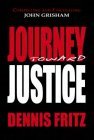
You can read Dennis Fritz's story in his new book "Journey Toward Justice". The companion book to The Innocent Man .
Bats Left, Throws Right
High School Asher High School
Born February 3, 1953 in Ada, OK USA
Died December 4, 2004 near Tulsa, OK USA
Catcher Ronald Williamson was the 41st pick in the 1971 amateur draft, a second-round selection by the Oakland Athletics.
He spent the 1972 season primarily with the Coos Bay-North Bend A's, hitting .265/~.341/.361 in 52 games.
His 23 passed balls in 46 games behind the plate tied for the lead in the Northwest League.
He also briefly was with the Burlington Bees, going 1 for 8 with four strikeouts in 7 games.
In 1973, Ronald had a rotten year, hitting .137/~.247/.153 for the Key West Conchs with only 13 runs produced in 59 games.
He fielded .947, the worst of any Florida State League catcher to play 15 or more games, and had 16 passed balls in 41 outings.
He went 1 for 3 with two walks with Burlington.
Williamson's life went into a tailspin after that.

Ron Williamson became a drug and alcohol addict and suffered from mental illness. In 1982, Debra Sue Carter, a waitress in a bar he often went to, was found dead. Williamson was cited as a suspect by the police five years later on flimsy testimony but was found guilty and sentenced to death in 1988.
After 11 years on death row, Williamson was cleared by DNA testing, and was finally freed from possible execution. Ron Williamson died in a nursing home of cirrhosis five years after being freed. Author John Grisham read his obituary in The New York Times and made him the subject of his first non-fiction book, The Innocent Man, published in 2006.
Sources: 1972-1973 Baseball Guides, book reviews of The Innocent Man.
Newspaper Press Release from 1971
OAKLAND SIGNS RON WILLIAMSON Ron Williamson, former Asher and Byng baseball player, signed a bonus contract over the weekend with the Oakland Athletics. George Bradley, scouting supervisor for the Athletics, said Williamson signed for a "substantial bonus," but no terms were disclosed. He will probably be assigned to Coos Bay, Oregon temporarily. Williamson led Asher to two straight state titles after transferring from Byng. He was an all-stater this year and the Number 2 draft choice of the Athletics. End
Ronald Williamson's co-defendant, Dennis Fritz was convicted after a swift trail. The vote from a single juror saved him from the death penalty, and he was sentenced to life behind bars.
You can read Dennis Fritz's story in his new book "Journey Toward Justice". The companion book to The Innocent Man .
Sunday, January 27, 2008
John Grisham Seeks Governor's Aid In DNA-Test Request For Man Convicted Of Double-Murder
A group of prominent attorneys and legislators is asking Governor of Illinois Rod Blagojevich to order DNA testing in the case of a Peoria man who served 30 years in prison for a crime they believe he didn’t commit.
Led by five former U.S. attorneys, best-selling crime novelist John Grisham and the Northwestern Center on Wrongful Convictions, the list of supporters represents years of effort on the part of the accused man to secure the DNA testing that he says will clear his name.
Johnnie Lee Savory was 14 when he was arrested in 1977 and later convicted of the double-murder of his friend James Robinson, 14, and Robinson’s sister, Connie Cooper, 18.
At the time, DNA-testing technology was not yet available. But Savory argues that testing hair and blood samples taken at the time of the crime will not only clear his name, but identify the true culprit.
Savory’s supporters concede that a governor’s mandate to test DNA may be their last and best chance to clear Savory’s name. And for Savory—paroled and working in Chicago since December 2006— that is what his fight is all about.
Supporters are focusing on evidence presented during the trial, including a bloody pair of pants seized from Savory’s home and head hairs found in the victims’ hands.
Source: chicagotribune.com
Led by five former U.S. attorneys, best-selling crime novelist John Grisham and the Northwestern Center on Wrongful Convictions, the list of supporters represents years of effort on the part of the accused man to secure the DNA testing that he says will clear his name.
Johnnie Lee Savory was 14 when he was arrested in 1977 and later convicted of the double-murder of his friend James Robinson, 14, and Robinson’s sister, Connie Cooper, 18.
At the time, DNA-testing technology was not yet available. But Savory argues that testing hair and blood samples taken at the time of the crime will not only clear his name, but identify the true culprit.
Savory’s supporters concede that a governor’s mandate to test DNA may be their last and best chance to clear Savory’s name. And for Savory—paroled and working in Chicago since December 2006— that is what his fight is all about.
Supporters are focusing on evidence presented during the trial, including a bloody pair of pants seized from Savory’s home and head hairs found in the victims’ hands.
Source: chicagotribune.com
Tuesday, January 22, 2008
DENNIS FRITZ'S PHILLIPPINE PROMOTIONAL BOOK TOUR

On a very cold, frosty, early December morning, I made a decision that I needed some down time for myself, to re-coup, and regain a new perspective about the direction of my life.
Having lived in Kansas City, Missouri, since my release from prison on April 15, 1999—after serving 12 years for a capitol murder, I knew nothing about— I decided to go to the Philippines to promote my book, Journey Toward Justice.
I was a little unsure of what to expect (as I had never been on a vacation by myself ), as the overwhelming noise from the powerful jet-engines began to roar, engulfing me with mixtures of anticipation and tingling excitement.
Having lived in Kansas City, Missouri, since my release from prison on April 15, 1999—after serving 12 years for a capitol murder, I knew nothing about— I decided to go to the Philippines to promote my book, Journey Toward Justice.
I was a little unsure of what to expect (as I had never been on a vacation by myself ), as the overwhelming noise from the powerful jet-engines began to roar, engulfing me with mixtures of anticipation and tingling excitement.
As the giant bird lifted from the runway, I looked out the small-framed, interior window with the realization that I would actually be in Manila, Philippines, within 24 hours—for the start of a 10 day book tour that included Sebu City, and Dumaguete City.
After landing and checking into the Hyatt Hotel, I obtained the address of the National Book Store. With a heavy bag of my books dangling from my hand, I then explored the over-populated city of Manila—where I would reside for the next 3 days.
The air was filled with the sounds of hundreds of small motorcycles simultaneously tooting their horns as they buzzed throughout the cramped, unmarked, city streets. I suddenly became aware that there were no speed signs or stop lights to caution any of the motorists.
Wow! I thought, what a difference this was compared to the U.S.
The savoring smells of cooking meat permeated into my nostrils, as I passed continuing rows of outside vendors earning their daily wages, each blurting out a redundant sale’s pitch to sell their prepared food. Beads of perspiration dripped from my face onto my shirt, as I flagged down a nearby cab to further my intended journey, to the National Book Store.
The days passed by quickly, underscoring each new encounter that I made with the very friendly people in both Sebu City and Dumaguette City—where I have very fond and lasting memories of my vacational book tour.
They all welcomed me warmly in each of the bookstores that I visited; whereby accommodating me with their fullest appreciation and support.
There is a genuine saying in the Philippines that best describes the personalities of the native people living there: “If I’m late, who cares!!”
There is a genuine saying in the Philippines that best describes the personalities of the native people living there: “If I’m late, who cares!!”
I found myself to be very comfortable within this new and different world, that turned on the value system of hard work, less stress, and larger families with close, traditional ties.
Who knows, maybe next year I will take my Journey Toward Justice to another foreign land, to bring about the much-needed greater awareness—that we ALL need to learn.
CLICK HERE FOR MORE PHOTOS
Thursday, January 17, 2008
Ken Middleton Proven Innocent Remains In Prison For Life

Billboard located on the outskirts of Kansas City, MO.
Barbara's Journey Toward Justice Mailbag
Barbara,
I am writing you about the death of my step-mother and wrongful conviction of my father. My father married my step-mother when I was just 5 years old. They had a wonderful marriage and I had great role models in both of them. I love and miss her very much !
It is unfortunate that the injustice that followed left my father and I unable to properly grieve.
I was just 20 years old in 1990 when my step-mother died after mishandling a gun. Little did I know but the nightmare would not ever end. Not yet anyway.
I was just 20 years old in 1990 when my step-mother died after mishandling a gun. Little did I know but the nightmare would not ever end. Not yet anyway.
My father was convicted on circumstantial evidence. Based on police and prosecutor corruption the skilled prosecutor's were able to convince a jury to convict. I know many people will take that the wrong way. " I was framed". What many fail to understand is that this happens more than you might think it does !
Please don't take my word for it visit my website at free-kenmiddleton.com here. You will see all the documentation of destroyed crime scene photo's, altered gunshot residue test and expert witness testimony 100% exonerating my father !
My father's case was reversed in May of 2005. After the trial judge was presented with 2 experts witness's testimony that my father could not have shot my step-mother.
My father's case was reversed in May of 2005. After the trial judge was presented with 2 experts witness's testimony that my father could not have shot my step-mother.
Mathematically and physically impossible !
She overturned her own case. 14 years later !
You might be asking yourself then why is he still in prison ?
That is were this case should shock and disturb everybody that reads my website.
After the trial judge overturned her own case and wrote that my father would have never been convicted with a proper trial the prosecutors had it thrown by the appeals court saying that she did not have the authority to re-open his case so her findings that an innocent man is in prison are moot !
What's more unbelievable is that these same prosecutor's offered my dad an Alford plea and his freedom if he would plead guilty.
After 14 years in prison and before the judge overturned the conviction my dad absolutely refused to consider the plea. I ask you what guilty man would turn down his freedom ? None. Most innocent men with less courage would have taken that offer !
As of January of 2008 a proven innocent man remains in a Missouri prison. Please take the time to click on my website Here and see the proof for yourself. The Kansas City Star articles about my father and I can be read there. As well as the billboard that I purchased in downtown Kansas City in my attempt to bring awareness to this injustice.
Sincerely,
Sincerely,
Cliff Middleton
Thursday, January 10, 2008
Grisham's Eyes Opened With Help Of Dennis Fritz On Death Penalty and Wrongful Conviction Cases
In an interview published in yesterday’s Jackson Free Press, Grisham says he met many wrongfully convicted people while researching the book, and “it doesn’t take too many conversations with men who are imprisoned and will probably never get out, who are innocent, to kind of flip you, to make you suddenly aware of this problem. That’s what happened to me.”
It was Ron Williamson’s obituary in the Dec. 9, 2004, issue of The New York Times that caught attorney and author John Grisham’s eye.
“It had all the elements of a novel,” Grisham said in an interview with the Jackson Free Press. “The small town Southern feel to it; the small town sport hero going off to make his mark in the major leagues and failing; a grizzly murder; a wrongful conviction; a trip to death row; insanity; a near execution; exoneration; the eventual conviction of the real killer; a lawsuit to recover damages. I could not make that up, and if I did make it up, nobody would believe it. It’s too rich to pass up.”
After 11 years on Oklahoma’s death row, DNA evidence proved that Williamson was not the killer of 21-year-old Debra Carter. He and Dennis Fritz, who a jury in Ada, Okla., also convicted of the crime, walked away free men on April 15, 1999.
But for Ron Williamson, exoneration came too late; he was unable get his life back on track. His long history with drug and alcohol abuse—compounded by bipolar disease, personality disorders and a mild form of schizophrenia, all untreated during his incarceration—had taken their toll. The one-time minor-league baseball hero died of cirrhosis of the liver at age 51 on Dec. 4, 2004, less than five years after his release. At the time of his death, people mistook him for a man 30 years older, his hair prematurely white and his skin sallow around his empty, sunken eyes.
Grisham was so intrigued by the story that he spent 18 months writing his only non-fiction book to date, “The Innocent Man: Murder and Injustice in a Small Town,” which was published in October 2006.
“Non-fiction is brutal,” he said. “I had to hire a full-time research assistant just to plow through all the documents and keep everything straight.”
Hard work aside, it was the process of writing the book and his friendship with Fritz—who received a life sentence in the Carter case, and whom Grisham credits with helping him—that opened his eyes to the problems of death-penalty cases and wrongful convictions.
Source Jackson Free Press,
Read More About Dennis Fritz HERE
It was Ron Williamson’s obituary in the Dec. 9, 2004, issue of The New York Times that caught attorney and author John Grisham’s eye.
“It had all the elements of a novel,” Grisham said in an interview with the Jackson Free Press. “The small town Southern feel to it; the small town sport hero going off to make his mark in the major leagues and failing; a grizzly murder; a wrongful conviction; a trip to death row; insanity; a near execution; exoneration; the eventual conviction of the real killer; a lawsuit to recover damages. I could not make that up, and if I did make it up, nobody would believe it. It’s too rich to pass up.”
After 11 years on Oklahoma’s death row, DNA evidence proved that Williamson was not the killer of 21-year-old Debra Carter. He and Dennis Fritz, who a jury in Ada, Okla., also convicted of the crime, walked away free men on April 15, 1999.
But for Ron Williamson, exoneration came too late; he was unable get his life back on track. His long history with drug and alcohol abuse—compounded by bipolar disease, personality disorders and a mild form of schizophrenia, all untreated during his incarceration—had taken their toll. The one-time minor-league baseball hero died of cirrhosis of the liver at age 51 on Dec. 4, 2004, less than five years after his release. At the time of his death, people mistook him for a man 30 years older, his hair prematurely white and his skin sallow around his empty, sunken eyes.
Grisham was so intrigued by the story that he spent 18 months writing his only non-fiction book to date, “The Innocent Man: Murder and Injustice in a Small Town,” which was published in October 2006.
“Non-fiction is brutal,” he said. “I had to hire a full-time research assistant just to plow through all the documents and keep everything straight.”
Hard work aside, it was the process of writing the book and his friendship with Fritz—who received a life sentence in the Carter case, and whom Grisham credits with helping him—that opened his eyes to the problems of death-penalty cases and wrongful convictions.
Source Jackson Free Press,
Read More About Dennis Fritz HERE
Wednesday, January 9, 2008
BARBARA'S JOURNEY TOWARD JUSTICE FORUM
Barbara's Journey Toward Justice has added a Forum and Message Board , you can start a Discussion by adding a post for others to see and join in. Go to right sidebar and click on the blue words View Message Boards. You will see it under Dennis Fritz's book, "Journey Toward Justice" and before the comments. Just put a Title in Subject Line to begin the rest is easy. Posting a message is done in the same way. Contact me if you have a problem posting. Thank you all for reading my blog and hope to hear for you. Message/Forum Rules
Please abide by the extremely reasonable rules if you intend to post in the forums.
UPDATE JULY 7th, 2008 - Sorry FORUM CLOSED
Please abide by the extremely reasonable rules if you intend to post in the forums.
UPDATE JULY 7th, 2008 - Sorry FORUM CLOSED
Wednesday, January 2, 2008
Photo Debra Sue Carter
In Memory of Debra Sue Carter
On Dec. 8, 1982, a 21-year-old Ada, Oklahoma woman, named Debra Sue Carter, was raped and killed after she got off work at the Coachlight Club in Ada, Oklahoma. Dennis Fritz, and friend Ron Williamson were arrested for the crime five years later, but were freed from prison in 1999 after DNA evidence matched Glen Gore. The case is detailed in John Grisham's non-fiction bestseller "The Innocent Man," and Dennis Fritz's book. "Journey Toward Justice".
Dennis Fritz and representatives of the New York-based Innocence Project that helped free Williamson and Fritz, are pushing for state commissions that would look at what mistakes were made in cases where convicts later were exonerated. “I’ll always feel the effects of what a false conviction caused,” said Dennis Fritz, “It’s healed, but the scar’s still there.” As I sit here writing this post, I am listening to a CD a friend gave me as a holiday gift. Here are the words along with a photo of Debra Sue Carter:

No Tears
I was watching from a window in Heaven
You seemed so close yet so far
I could see teardrops falling that you shed for me
I saw you crying, calling out my name
I wanted to hold you, tell you I'm OK
No tears will fall in Heaven
Teardrops aren't welcome up here
No tears will fall in Heaven
There's no sorrow, there's no pain
God wiped my tears away
I was walking down the streets of Heaven
I was singing with the angels round the crystal sea
I was dancing on streets of gold when your memory came to me
I wanted to tell you, though you couldn't see
All the shackles are broken now and I am free
Lyrics-Rick and Lisa Wallace
ASCAP All rights reserved
2007
On April 14 2007 Sgt. Brandon Lee Wallace was killed in Fallujah, Iraq when a road-side bomb detonated near his humvee. While searching for a way to bring comfort and healing to those that knew him, miss him and loved him, on October 3rd, 2007, inspiration struck. "No Tears" came about in a moment of divine inspiration. It started with a couple of phrases penned on an envelope and quickly escalated into melody and lyrics that we believe will bring comfort, healing, and hope to the listener.
This CD is in honor of "OUR HERO"
Sgt. Brandon Wallace
In memory of all Fallen Heroes around the world
Dedicated to all Gold Star families and those still
serving in Uniform
CD by Sgt. Brandon's Father Rick and Wife Lisa Wallace

Sgt. Brandon Wallace
On Dec. 8, 1982, a 21-year-old Ada, Oklahoma woman, named Debra Sue Carter, was raped and killed after she got off work at the Coachlight Club in Ada, Oklahoma. Dennis Fritz, and friend Ron Williamson were arrested for the crime five years later, but were freed from prison in 1999 after DNA evidence matched Glen Gore. The case is detailed in John Grisham's non-fiction bestseller "The Innocent Man," and Dennis Fritz's book. "Journey Toward Justice".
Dennis Fritz and representatives of the New York-based Innocence Project that helped free Williamson and Fritz, are pushing for state commissions that would look at what mistakes were made in cases where convicts later were exonerated. “I’ll always feel the effects of what a false conviction caused,” said Dennis Fritz, “It’s healed, but the scar’s still there.” As I sit here writing this post, I am listening to a CD a friend gave me as a holiday gift. Here are the words along with a photo of Debra Sue Carter:

No Tears
I was watching from a window in Heaven
You seemed so close yet so far
I could see teardrops falling that you shed for me
I saw you crying, calling out my name
I wanted to hold you, tell you I'm OK
No tears will fall in Heaven
Teardrops aren't welcome up here
No tears will fall in Heaven
There's no sorrow, there's no pain
God wiped my tears away
I was walking down the streets of Heaven
I was singing with the angels round the crystal sea
I was dancing on streets of gold when your memory came to me
I wanted to tell you, though you couldn't see
All the shackles are broken now and I am free
Lyrics-Rick and Lisa Wallace
ASCAP All rights reserved
2007
On April 14 2007 Sgt. Brandon Lee Wallace was killed in Fallujah, Iraq when a road-side bomb detonated near his humvee. While searching for a way to bring comfort and healing to those that knew him, miss him and loved him, on October 3rd, 2007, inspiration struck. "No Tears" came about in a moment of divine inspiration. It started with a couple of phrases penned on an envelope and quickly escalated into melody and lyrics that we believe will bring comfort, healing, and hope to the listener.
This CD is in honor of "OUR HERO"
Sgt. Brandon Wallace
In memory of all Fallen Heroes around the world
Dedicated to all Gold Star families and those still
serving in Uniform
CD by Sgt. Brandon's Father Rick and Wife Lisa Wallace

Sgt. Brandon Wallace
Subscribe to:
Posts (Atom)